Signs Your Concrete Slab May Be Settling at Home
Early Warning Signs a Slab Is Starting to Settle
Homes often whisper before they shout. A settling slab may first show up as a slight slope in the floor, a rocking chair, or a room that feels a little off when you walk through it. These changes can seem small, but they often point to movement happening below your home.
That is why early attention matters so much. Tiny cracks, uneven spots, and trim that no longer lines up neatly may all be signs worth noticing. Catching these clues early can help prevent larger repairs, protect your home, and give you more confidence about what steps to take next.
What Cracks May Be Telling You About Movement Below
Cracks are one of the most common signs that something below the surface may be changing. A small line in a floor or wall may not seem serious at first, but cracks can form when pressure builds as different parts of a slab move unevenly over time.
The pattern of the crack matters just as much as the size. If it keeps growing, reappears after repair, or shows up near corners, doorways, or flooring seams, it may signal deeper movement. Paying attention early can help you understand whether the issue is minor or something that needs professional evaluation.
Why Uneven Floors Should Not Be Ignored
Uneven floors can feel like a small annoyance, but they often tell a bigger story. If a toy rolls across the room by itself or one area feels lower than another, the slab underneath may be shifting. Finished floors usually reflect changes happening below the surface.
A floor should feel level, solid, and safe under your feet every day. When it does not, that change can affect comfort and may lead to other issues with walls, cabinets, or trim. Noticing a slope early gives you a better chance to address the cause before the problem spreads further through the home.
How Pooling Water Can Point to Trouble Around the Foundation
Water can slowly create problems around a home when it does not drain away properly. If you notice puddles sitting near the foundation after rain or watering, that moisture may be changing the soil below. Over time, this can reduce support and lead to uneven movement.
The connection between drainage and settlement is stronger than many homeowners realize. Wet soil in one area and dry soil in another can create shifting support beneath the slab. Watching for pooling water, erosion, or soggy spots around the house can help you catch conditions that may eventually affect the stability of your home.
Signs of Shifting or Sinking Surfaces Around Your Home
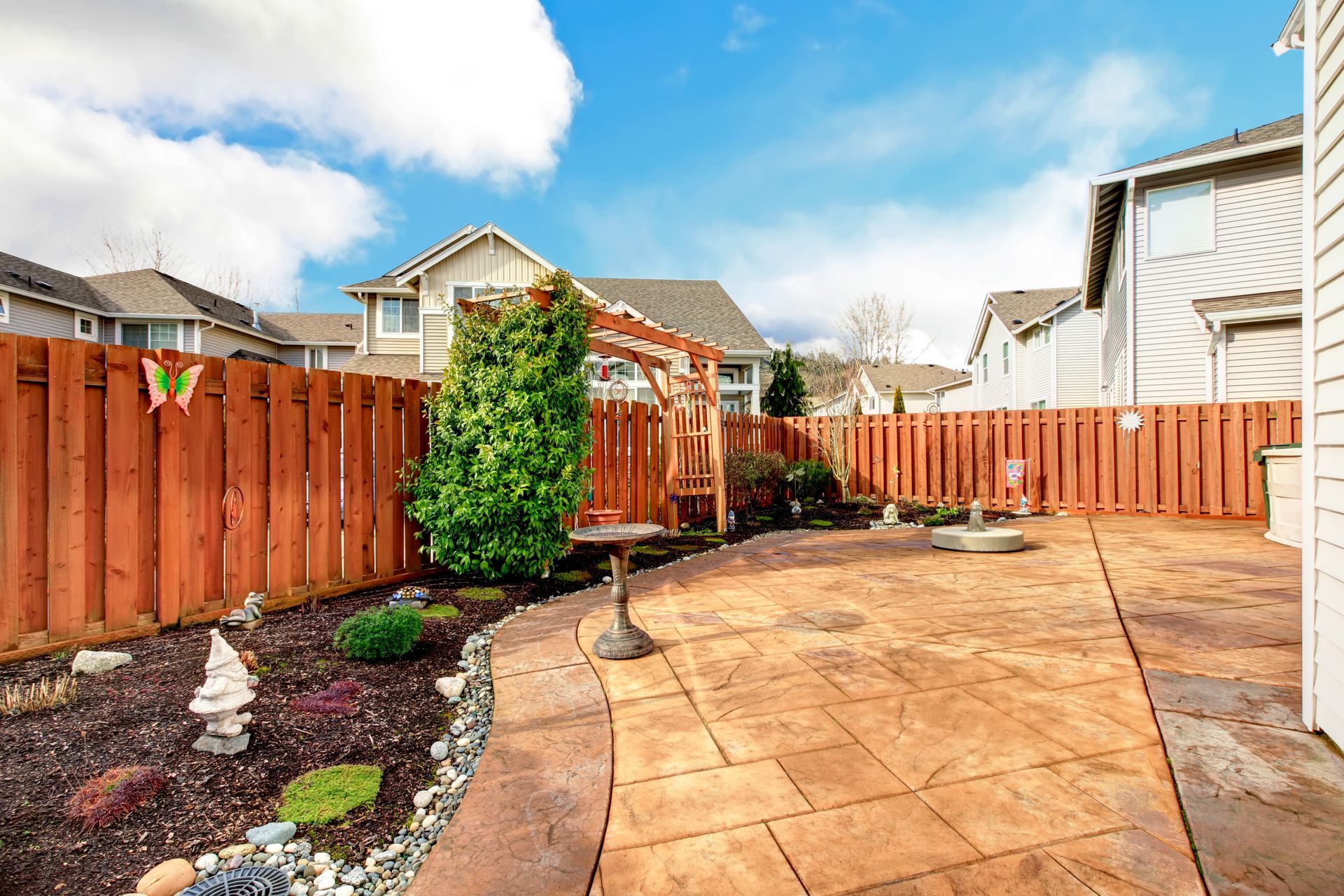
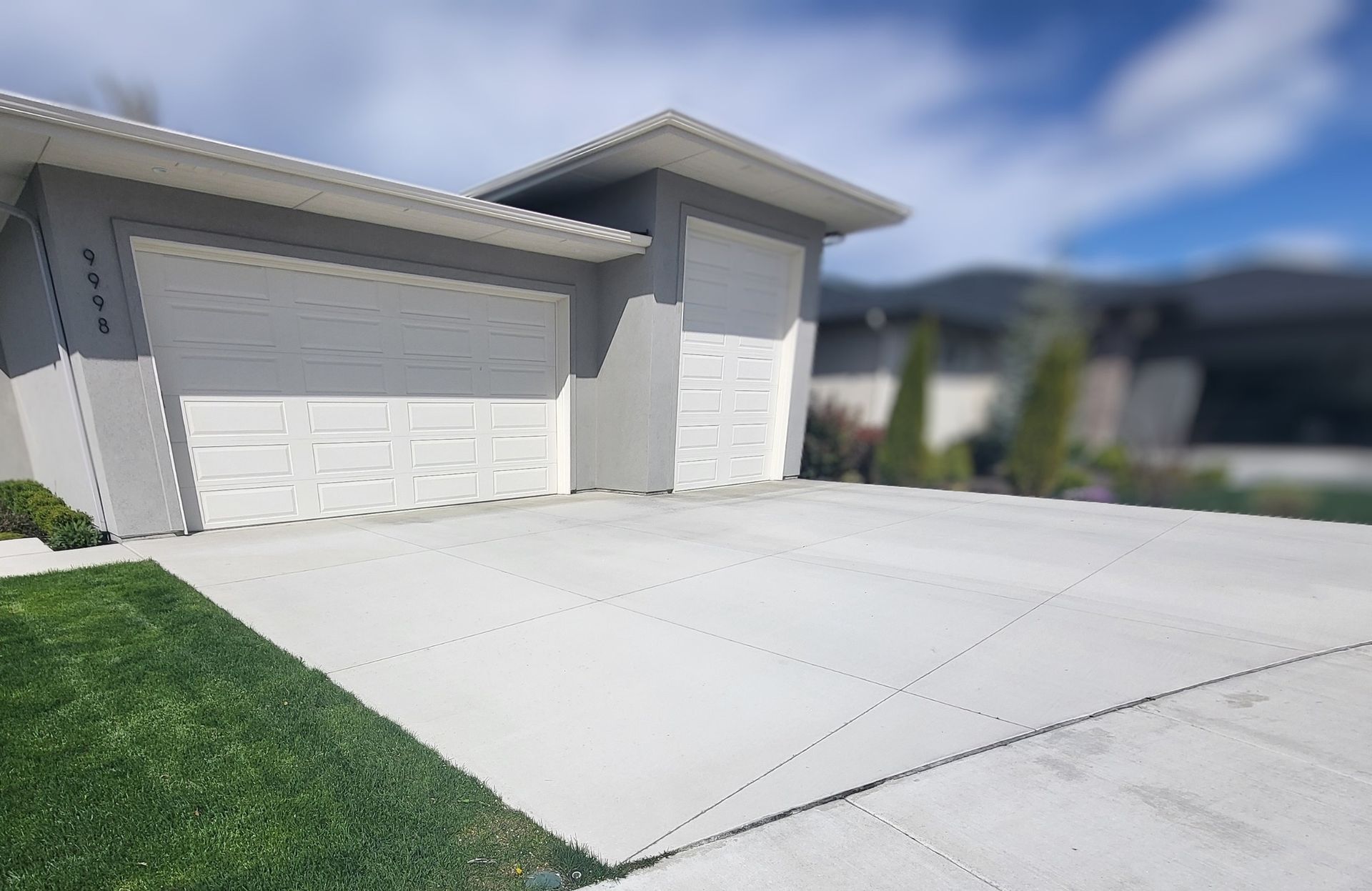
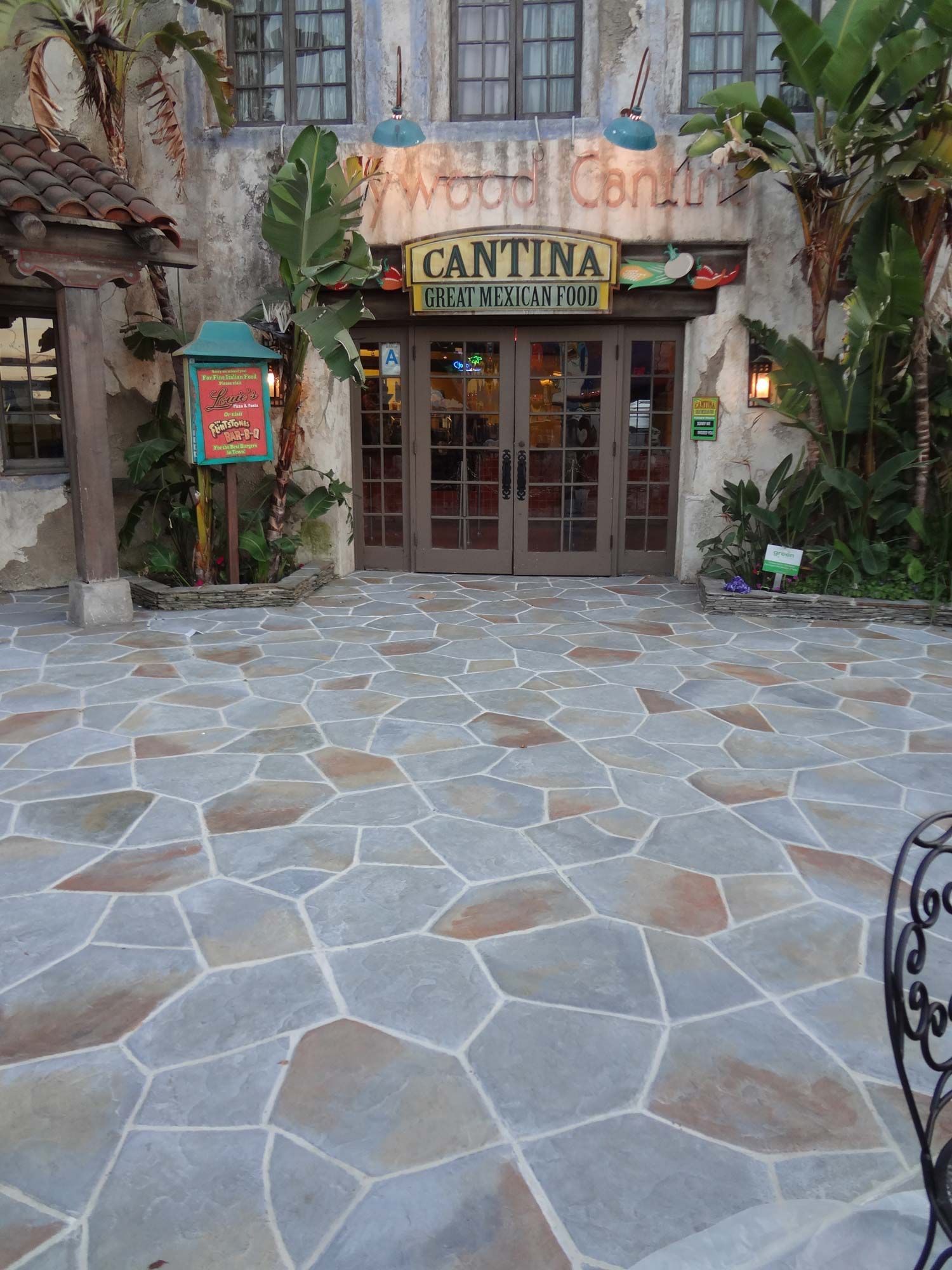
Outdoor surfaces can reveal a lot about what is happening in the ground around your house. If a walkway, patio, or driveway starts sitting lower on one side, the soil beneath it may be changing. Those shifts can sometimes reflect the same movement affecting areas closer to your home.
Because these changes happen slowly, they are easy to overlook at first. A section pulling apart, a new trip hazard, or a low spot where water collects can all be warning signs. Looking closely at nearby concrete surfaces can help you spot early settlement clues before more noticeable problems appear indoors or grow worse.
What Widening Gaps and Separation May Mean
When parts of a home begin pulling away from each other, it is often worth a closer look. Gaps near baseboards, walls, trim, or built-in features can mean more than simple aging. If the slab below shifts, the structure above may respond by separating in small but noticeable ways.
These gaps often start subtly, then become harder to ignore with time. A home should feel connected, steady, and well aligned. When separation continues to grow, it may suggest ongoing movement beneath the surface. Catching those changes early can help reduce the chance of wider damage and make repairs simpler later.
How Sticking Doors and Windows Can Signal Structural Movement
Doors and windows usually work so smoothly that you notice right away when they do not. A door that drags, sticks, or will not latch properly may not just be a hardware issue. It can also happen when the shape of the opening changes from structural movement.
Windows can show the same kind of trouble. If they become harder to open, stop closing evenly, or look slightly out of square, the home may be shifting. When more than one door or window starts acting differently, it is smart to consider whether movement below the house could be affecting the frame above.
Outdoor Clues That Something Below the Surface Has Changed
The yard around your home can offer valuable warning signs before major indoor damage appears. Soil that pulls away from edges, dips forming near the house, or changes in drainage patterns may all suggest that the ground below is no longer supporting everything evenly.
These clues matter because the soil around your home plays a major role in long-term stability. Cracks in outdoor surfaces, washed-out areas, or low spots that stay wet after rain can all point to trouble developing below. Paying attention to the landscape helps you spot changes earlier and make better decisions about protecting your property.
When Settlement Becomes a Bigger Structural Concern
Some settling is minor, but repeated or worsening signs should not be brushed aside. If cracks keep spreading, floors dip more noticeably, doors stop fitting right, or water problems continue, the issue may have moved beyond a small cosmetic concern and into something more serious.
At that point, the problem is not only about how the home looks. It is also about function, safety, and long-term value. When several warning signs show up together, it is wise to take them seriously. Acting sooner can give you more repair options and may help prevent a much larger structural problem from developing.
What to Do When You Notice These Warning Signs
The best first step is to pay attention and avoid brushing the signs aside. Take photos, notice patterns, and watch whether cracks, slopes, or sticking doors change over time. Looking around after rain can also help you spot drainage problems that may be connected to movement.
Reach out to Rose Concrete & Development
and
call (619) 537-9408. We proudly serve homeowners in San Diego, CA, and can help you better understand what may be happening. Acting early gives you a better chance to protect your home, avoid larger repairs, and move forward with confidence.